



*ಮಧುಮೇಹ ಪಾದದ ಹುಣ್ಣು ಅಥವಾ ಡಯಾಬಿಟಿಕ್ ಫುಟ್ ಅಲ್ಸರ್ ರೋಗಿಗಳಿಗೆ ಆಶಾಕಿರಣ ಈ ಹೈಪರ್ಬೇರಿಕ್ ಆಮ್ಲಜನಕ ಚಿಕಿತ್ಸೆ*

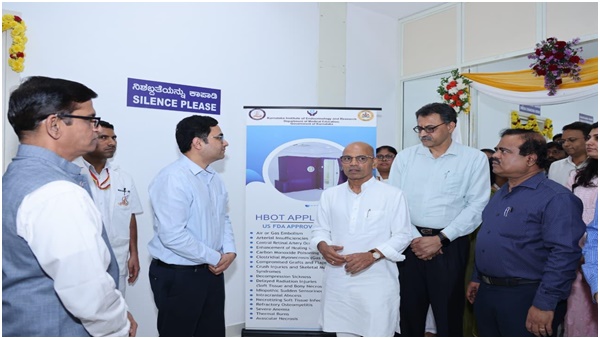
ವಿಶೇಷ ಚಿಕಿತ್ಸಾ ವಿಧಾನಕ್ಕೆ ಚಾಲನೆ ನೀಡಿದ ಡಾ. ಶರಣಪ್ರಕಾಶ ಪಾಟೀಲ್
ಪ್ರಗತಿವಾಹಿನಿ ಸುದ್ದಿ: ದೇಶದಲ್ಲಿರುವ ಸುಮಾರು 8 ಕೋಟಿ ಮಂದಿ ಮಧುಮೇಹದಿಂದ ಬಳಲುತ್ತಿದ್ದು ಇವರಲ್ಲಿ ಬಹುತೇಕ ಮಂದಿ ಕಾಲುಗಳಿಗೆ ಸಂಬಂಧಿಸಿದ ಮತ್ತೊಂದು ಸಮಸ್ಯೆಯನ್ನೂ ಎದುರಿಸುತ್ತಿದ್ದಾರೆ ಎಂಬುದು ವರದಿಗಳಲ್ಲಿ ಕಂಡುಬಂದಿದೆ.

ಮಧುಮೇಹ ಪಾದದ ಹುಣ್ಣು ಅಂದರೆ ಡಯಾಬಿಟಿಕ್ ಫುಟ್ ಅಲ್ಸರ್ (DFU) ಮಧುಮೇಹ ರೋಗಿಗಳಲ್ಲಿ 25% ರಿಂದ 34% ರವರೆಗೆ ಒಂದು ಹಂತದಲ್ಲಿ ಪರಿಣಾಮ ಬೀರುತ್ತದೆ, ಆ ಪ್ರಕರಣಗಳಲ್ಲಿ ಅರ್ಧದಷ್ಟು ಗಂಭೀರ ಸೋಂಕಿಗೆ ತುತ್ತಾಗುತ್ತದೆ. ಈ ರೀತಿಯ ಸಮಸ್ಯೆಗಳಿಗೆ ಹೈಪರ್ಬೇರಿಕ್ ಆಮ್ಲಜನಕ ಚಿಕಿತ್ಸೆ (HBOT) ಪರಿಣಾಮಕಾರಿಯಾಗಿದ್ದು, ರೋಗಿಗಳಿಗೆ ಸಾಕಷ್ಟು ಸಮಾಧಾನ ಒದಗಿಸುತ್ತದೆ.
ಇಂದಿರಾನಗರದಲ್ಲಿರುವ ಕರ್ನಾಟಕ ಎಂಡೊಕ್ರೈನಾಲಜಿ ಮತ್ತು ಸಂಶೋಧನಾ ಸಂಸ್ಥೆಯಲ್ಲಿ (KIER) ಅಂತಹ ಚಿಕಿತ್ಸೆಯನ್ನು ಆರಂಭಿಸಲಾಗಿದೆ. “HBOT ಕೇವಲ ವೈದ್ಯಕೀಯ ಚಿಕಿತ್ಸೆಯಲ್ಲ. ಇದು ಸಮಾಧಾನಕರ ಜೀವನೋಪಾಯಕ್ಕೆ ಅವಕಾಶ ಕಲ್ಪಿಸುವುದಾಗಿದೆ.

ಸೋಮವಾರ ಈ ಚಿಕಿತ್ಸಾ ಪದ್ಧತಿಯನ್ನು ಉದ್ಘಾಟಿಸಿ ಮಾತನಾಡಿದ ವೈದ್ಯಕೀಯ ಶಿಕ್ಷಣ, ಕೌಶಲ್ಯಾಭಿವೃದ್ಧಿ, ಜೀವನೋಪಾಯ ಮತ್ತು ರಾಯಚೂರು ಜಿಲ್ಲಾ ಉಸ್ತುವಾರಿ ಸಚಿವರಾದ ಡಾ. ಶರಣಪ್ರಕಾಶ್ ಆರ್. ಪಾಟೀಲ್ ಈಗ ಮಧುಮೇಹ ರೋಗಿಗಳಿಗೆ ಸೂಕ್ತ ಚಿಕಿತ್ಸೆ ನೀಡಲು ನಾವು ಸಜ್ಜಾಗಿದ್ದೇವೆ ಎಂದರು.
ಅತಿ ಹೆಚ್ಚು ಮಧುಮೇಹಿಗಳನ್ನು ಹೊಂದಿರುವ ಜಗತ್ತಿನ ದೇಶಗಳ ಪೈಕಿ ಭಾರತ ಕೂಡ ಒಂದಾಗಿದೆ. ಪ್ರತಿ 7 ವಯಸ್ಕರಲ್ಲಿ ಒಬ್ಬರಿಗೆ ಮಧುಮೇಹ ಇದೆ. ಜೊತೆಗೆ ಮಧುಮೇಹ ಪಾದದ ಕಾಯಿಲೆಯು ಇರುವುದು ಸಮಸ್ಯೆಯನ್ನು ಹೆಚ್ಚಿಸಿದೆ. ದೈನಂದಿನ ಸಮಯದಲ್ಲಿ ಬರಿಗಾಲಿನಲ್ಲಿ ನಡೆಯುವುದು ಇವರಿಗೆ ದುಸ್ತರವಾಗಿದೆ. ಇದರಿಂದ
ಆರ್ಥಿಕ ಹಾನಿಯೂ ಆಗುತ್ತಿದೆ. ಮಧುಮೇಹ ಪಾದದ ರೋಗನಿರ್ಣಯದಿಂದ ಗುಣಪಡಿಸುವವರೆಗೆ ಸರಾಸರಿ ₹1.5 ಲಕ್ಷ ವೆಚ್ಚವಾಗುತ್ತದೆ.
ಈ ಕುರಿತು ಮಾತನಾಡಿದ ಕೆಐಇಆರ್ ನಿರ್ದೇಶಕ ಡಾ. ರವಿ, ಮಧುಮೇಹ ಪಾದದ ಗಾಯದ ರೋಗಿಗಳಿಗೆ ಹೆಚ್ಚಿನ ಸಾಂದ್ರತೆಯ ಆಮ್ಲಜನಕವನ್ನು ನೀಡುವ ಮೂಲಕ ಇದನ್ನು ಗುಣಪಡಿಸಬಹುದಾಗಿದೆ. ಈ ಚಿಕಿತ್ಸೆಯು ಸೋಂಕಿನ ವಿರುದ್ಧ ಹೋರಾಡುತ್ತದೆ ಅಥವಾ ಕತ್ತರಿಸಬಹುದಾದ ಅಂಗಗಳನ್ನು ಉಳಿಸಲು ನಿರ್ಣಾಯಕವಾಗಿ ಸಹಾಯ ಮಾಡುತ್ತದೆ” ಎಂದು ವಿವರಿಸಿದರು.
ಕರ್ನಾಟಕದಲ್ಲಿ ಮಧುಮೇಹದ ಹರಡುವಿಕೆಯು 12–16% ಎಂದು ಅಂದಾಜಿಸಲಾಗಿದೆ, ನಗರಗಳಲ್ಲಿಯೂ ಇದರ ಪ್ರಮಾಣ ಹೆಚ್ಚಾಗಿದೆ. ವಾರ್ಷಿಕವಾಗಿ 11,000–13,500 ಹೊಸ ಮಧುಮೇಹ ಪಾದ ಪ್ರಕರಣಗಳು ವರದಿಯಾಗುತ್ತಿವೆ. ಇದು ಆಘಾತಕಾರಿಯಲ್ಲದಿದ್ದರೂ ಸುಮಾರು 80% ರಷ್ಟು ಅಂಗಚ್ಛೇದನಗಳಿಗೆ ಕಾರಣವಾಗುತ್ತಿವೆ ಎಂದು ಅಂದಾಜಿಸಲಾಗಿದೆ.
Hyperbaric Oxygen Therapy Offers New Hope To Millions Of Diabetic Foot Patients In Karnataka
Breakthrough Treatment Can Heal Wounds Faster And Prevent Amputations
Bangalore, March 23: For the nearly 80 million Indians living with diabetes, a devastating complication quietly threatens their quality of life and their limbs.
Diabetic foot ulcer (DFU) affect between 25% and 34% of diabetic patients at some point in their lifetime, with half of those cases progressing to serious infection. Now, Hyperbaric Oxygen Therapy (HBOT) is emerging as a powerful, life-changing solution that gives patients a real chance at healing — and staying whole.
Such a therapy has been set up in the Karnataka Institute of Endocrinology & Research Institute (KIER) located at Indiranagar. “HBOT is not just a medical treatment. It is a restoration of dignity and livelihood for patients who have been suffering,” said Dr Sharanprakash R Patil, minister for medical education and skill development after inaugurating the therapy on Monday. “We are now able to offer patients a genuine path to recovery that was not available before.”
India carries one of the heaviest burdens of diabetes anywhere in the world, accounting for 1 in 7 adults with the condition globally. Of those complications, diabetic foot disease is among the most debilitating. Socio-cultural practices, including walking barefoot during daily activities, significantly increase the risk of foot wounds progressing into serious ulcers.
The financial toll is equally crushing. Managing a single diabetic foot ulcer costs an average of ₹1.5 lakh from diagnosis to healing. Over a patient’s lifetime, diabetic foot complications consume an average of 5.7 years of income.
“HBOT is changing the outlook for patients living with active diabetic foot wounds. By delivering high concentrations of oxygen in a pressurised environment, the therapy accelerates wound healing, fights infection and critically helps save limbs that might otherwise be amputated,” noted Dr.Ravi, director of KIER.
Diabetes prevalence in Karnataka is estimated at 12–16%, with higher rates in urban populations. In Karnataka, an estimated 11,000–13,500 new diabetic foot cases occur annually. These complications are a leading cause of hospital admissions and account for nearly 80% of non-traumatic lower limb amputations.