


*ಬೆಳಗಾವಿಯಿಂದ ಜಾಗತಿಕ ಮಾರುಕಟ್ಟೆಗೆ*: *ನಮ್ಮ MSMEಗಳಿಗೆ ಈಗ ರಫ್ತು ಮಾಡುವ ಸಮಯ*
ಎಂ.ಕೆ.ಹೆಗಡೆ
ಸ್ಥಳೀಯವಾಗಿ ಉತ್ಪಾದಿಸಿ, ಜಾಗತಿಕವಾಗಿ ಮಾರಾಟ ಮಾಡುವ ಸಾಮರ್ಥ್ಯ ಬೆಳಗಾವಿಯ ಉದ್ಯಮ ಕ್ಷೇತ್ರಕ್ಕಿದೆ. ಅಗತ್ಯವಿರುವುದು ಸರಿಯಾದ ದಿಕ್ಕು, ಗುಣಮಟ್ಟ, ತಂತ್ರಜ್ಞಾನ ಮತ್ತು ಜಾಗತಿಕ ಮಾರುಕಟ್ಟೆಯ ಅರಿವು.

ಭಾರತದ ಆರ್ಥಿಕ ಬೆಳವಣಿಗೆಯಲ್ಲಿ ಸೂಕ್ಷ್ಮ, ಸಣ್ಣ ಮತ್ತು ಮಧ್ಯಮ ಕೈಗಾರಿಕೆಗಳು (MSME) ಪ್ರಮುಖ ಪಾತ್ರ ವಹಿಸುತ್ತಿವೆ. ಉದ್ಯೋಗ ಸೃಷ್ಟಿಯಿಂದ ಹಿಡಿದು ಉತ್ಪಾದನೆ, ನಾವೀನ್ಯತೆ ಮತ್ತು ರಫ್ತು ವಹಿವಾಟಿನವರೆಗೆ MSME ಕ್ಷೇತ್ರ ದೇಶದ ಆರ್ಥಿಕತೆಯ ಪ್ರಮುಖ ಆಧಾರಸ್ತಂಭವಾಗಿದೆ.
ಈ ಹಿನ್ನೆಲೆಯಲ್ಲಿ ಬೆಳಗಾವಿಯ ಉದ್ಯಮ ಕ್ಷೇತ್ರಕ್ಕೂ ಹೊಸ ಅವಕಾಶಗಳ ಬಾಗಿಲು ತೆರೆದಿದೆ. ದೇಶೀಯ ಮಾರುಕಟ್ಟೆಯಲ್ಲಿ ತನ್ನದೇ ಆದ ಸ್ಥಾನವನ್ನು ಹೊಂದಿರುವ ಬೆಳಗಾವಿ, ಇದೀಗ ‘Local to Global’ ಎಂಬ ಪರಿಕಲ್ಪನೆಯತ್ತ ಹೆಚ್ಚು ಗಮನ ಹರಿಸಬೇಕಾದ ಸಮಯ ಬಂದಿದೆ.
ಬೆಳಗಾವಿಗೆ ಏಕೆ ರಫ್ತು ಅವಕಾಶ ಹೆಚ್ಚು?
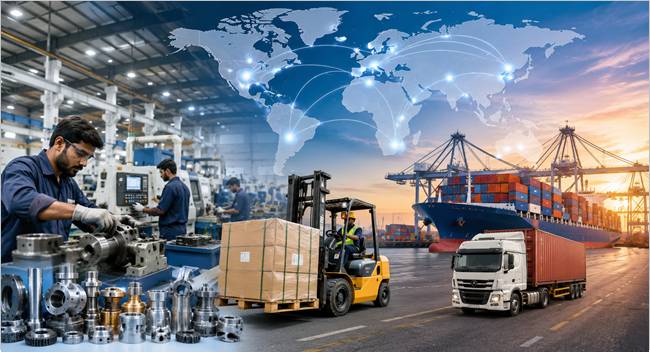
ಬೆಳಗಾವಿಯ ಕೈಗಾರಿಕಾ ಪರಿಸರಕ್ಕೆ ಹಲವು ವಿಶಿಷ್ಟ ಅನುಕೂಲಗಳಿವೆ. Foundry, engineering, machine tools, auto components, agricultural equipment, precision engineering, food processing ಸೇರಿದಂತೆ ಹಲವು ಕ್ಷೇತ್ರಗಳಲ್ಲಿ ಇಲ್ಲಿನ ಉದ್ಯಮಿಗಳು ದಶಕಗಳಿಂದ ಪರಿಣತಿ ಹೊಂದಿದ್ದಾರೆ.
ಉತ್ಪಾದನಾ ಸಾಮರ್ಥ್ಯ ಮಾತ್ರವಲ್ಲದೆ, ಉದ್ಯಮಶೀಲತೆ ಮತ್ತು ತಾಂತ್ರಿಕ ಅನುಭವವೂ ಬೆಳಗಾವಿಯ ದೊಡ್ಡ ಬಲವಾಗಿದೆ.
ಆದರೆ ಒಂದು ಪ್ರಶ್ನೆ ನಮ್ಮ ಮುಂದೆ ಇದೆ:
ನಾವು ತಯಾರಿಸುವ ಉತ್ಪನ್ನಗಳು ಬೆಳಗಾವಿ, ಕರ್ನಾಟಕ ಅಥವಾ ಭಾರತದ ಮಾರುಕಟ್ಟೆಯಲ್ಲೇ ಸೀಮಿತವಾಗಬೇಕೇ? ಅಥವಾ ಅವುಗಳನ್ನು ಜಗತ್ತಿನ ಮಾರುಕಟ್ಟೆಗೆ ಕೊಂಡೊಯ್ಯಬಹುದೇ?
ಉತ್ತರ ಸ್ಪಷ್ಟವಾಗಿದೆ — ಕೊಂಡೊಯ್ಯಬಹುದು.
ಅದರಿಗಾಗಿ ನಮ್ಮ ಕೈಗಾರಿಕೆಗಳು ಉತ್ಪನ್ನದ ಗುಣಮಟ್ಟ, ಪ್ರಮಾಣೀಕರಣ, ಪ್ಯಾಕೇಜಿಂಗ್, ಬ್ರ್ಯಾಂಡಿಂಗ್, ಡಿಜಿಟಲ್ ಮಾರ್ಕೆಟಿಂಗ್ ಮತ್ತು ಅಂತರರಾಷ್ಟ್ರೀಯ ಮಾರುಕಟ್ಟೆಯ ಅಗತ್ಯಗಳನ್ನು ಅರ್ಥಮಾಡಿಕೊಳ್ಳಬೇಕು.
‘ಉತ್ಪಾದನೆ’ಯಿಂದ ‘ಬ್ರ್ಯಾಂಡ್’ವರೆಗೆ
ರಫ್ತು ಎಂದರೆ ಕೇವಲ ವಿದೇಶಕ್ಕೆ ಸರಕು ಕಳುಹಿಸುವುದಲ್ಲ.
ಜಾಗತಿಕ ಮಾರುಕಟ್ಟೆಯಲ್ಲಿ ಯಶಸ್ವಿಯಾಗಬೇಕಾದರೆ ಉತ್ಪನ್ನದ ಜೊತೆಗೆ ಬ್ರ್ಯಾಂಡ್ ಮೌಲ್ಯವೂ ಮುಖ್ಯ.
ಒಂದು ಉತ್ಪನ್ನವನ್ನು ವಿದೇಶಿ ಗ್ರಾಹಕ ಏಕೆ ಖರೀದಿಸಬೇಕು? ಅದರ ಗುಣಮಟ್ಟ ಎಷ್ಟು ವಿಶ್ವಾಸಾರ್ಹ? ಅಂತರರಾಷ್ಟ್ರೀಯ ಮಾನದಂಡಗಳನ್ನು ಅದು ಪೂರೈಸುತ್ತದೆಯೇ? ಪ್ಯಾಕೇಜಿಂಗ್ ಹೇಗಿದೆ? ಮಾರಾಟದ ನಂತರದ ಸೇವೆ ಹೇಗಿದೆ? ಉತ್ಪನ್ನದ ಬಗ್ಗೆ ಆನ್ಲೈನ್ನಲ್ಲಿ ಮಾಹಿತಿ ಲಭ್ಯವಿದೆಯೇ?
ಇಂತಹ ಪ್ರಶ್ನೆಗಳಿಗೆ ಉತ್ತರ ನೀಡುವ ಸಾಮರ್ಥ್ಯವನ್ನು ಬೆಳಗಾವಿಯ MSMEಗಳು ಬೆಳೆಸಿಕೊಳ್ಳಬೇಕು.
ಗುಣಮಟ್ಟವೇ ಜಾಗತಿಕ ಮಾರುಕಟ್ಟೆಯ ಪ್ರವೇಶಪತ್ರ
ದೇಶೀಯ ಮಾರುಕಟ್ಟೆಯಲ್ಲಿ ಯಶಸ್ವಿಯಾಗಿರುವ ಉತ್ಪನ್ನವೊಂದು ವಿದೇಶಿ ಮಾರುಕಟ್ಟೆಯಲ್ಲೂ ಅದೇ ರೀತಿಯಲ್ಲಿ ಯಶಸ್ವಿಯಾಗುತ್ತದೆ ಎಂಬುದಿಲ್ಲ.
ಪ್ರತಿ ದೇಶಕ್ಕೂ ತನ್ನದೇ ಆದ quality standards, technical specifications, safety requirements ಮತ್ತು certification ವ್ಯವಸ್ಥೆಗಳಿರುತ್ತವೆ.
ಆದ್ದರಿಂದ ರಫ್ತು ಮಾಡಲು ಬಯಸುವ ಉದ್ಯಮಿಗಳು ತಮ್ಮ ಉತ್ಪನ್ನಕ್ಕೆ ಸಂಬಂಧಿಸಿದ ಅಂತರರಾಷ್ಟ್ರೀಯ ಮಾನದಂಡಗಳು ಮತ್ತು ಪ್ರಮಾಣೀಕರಣಗಳ ಬಗ್ಗೆ ಮೊದಲೇ ತಿಳಿದುಕೊಳ್ಳಬೇಕು.
Quality is no longer an option; it is the passport to global markets.
ತಂತ್ರಜ್ಞಾನವನ್ನು ಅಳವಡಿಸಿಕೊಳ್ಳುವ ಸಮಯ
ಜಾಗತಿಕ ಮಾರುಕಟ್ಟೆಯಲ್ಲಿ ಸ್ಪರ್ಧೆ ದಿನದಿಂದ ದಿನಕ್ಕೆ ಹೆಚ್ಚುತ್ತಿದೆ. ಕಡಿಮೆ ವೆಚ್ಚದಲ್ಲಿ ಹೆಚ್ಚು ಉತ್ಪಾದನೆ ಮಾಡುವುದಷ್ಟೇ ಸಾಕಾಗುವುದಿಲ್ಲ. ವೇಗ, ನಿಖರತೆ ಮತ್ತು ಸ್ಥಿರ ಗುಣಮಟ್ಟವೂ ಅಗತ್ಯ.
ಇಲ್ಲಿ automation, artificial intelligence, data analytics ಮತ್ತು digital manufacturing ಪ್ರಮುಖ ಪಾತ್ರ ವಹಿಸುತ್ತವೆ.
ಸಣ್ಣ ಕೈಗಾರಿಕೆಗಳೂ ತಮ್ಮ ಅಗತ್ಯಕ್ಕೆ ಅನುಗುಣವಾಗಿ ತಂತ್ರಜ್ಞಾನವನ್ನು ಹಂತ ಹಂತವಾಗಿ ಅಳವಡಿಸಿಕೊಳ್ಳಬಹುದು.
Inventory management, accounting, customer relationship management, quality control, production planning ಮತ್ತು digital marketing ಮುಂತಾದ ಕ್ಷೇತ್ರಗಳಲ್ಲಿ ತಂತ್ರಜ್ಞಾನವನ್ನು ಬಳಸುವುದರಿಂದ ಉತ್ಪಾದಕತೆ ಹೆಚ್ಚಿಸಬಹುದು.
ಡಿಜಿಟಲ್ ಜಗತ್ತು – ಹೊಸ ರಫ್ತು ಮಾರುಕಟ್ಟೆ
ಹಿಂದೆ ವಿದೇಶಿ ಗ್ರಾಹಕರನ್ನು ಹುಡುಕಲು exhibition, trade fair ಅಥವಾ ಮಧ್ಯವರ್ತಿಗಳ ಮೇಲೆ ಅವಲಂಬಿಸಬೇಕಾಗುತ್ತಿತ್ತು.
ಇಂದು ಪರಿಸ್ಥಿತಿ ಬದಲಾಗಿದೆ.
B2B platforms, e-commerce, social media, websites ಮತ್ತು digital marketing ಮೂಲಕ ವಿಶ್ವದ ವಿವಿಧ ಭಾಗಗಳ ಖರೀದಿದಾರರನ್ನು ನೇರವಾಗಿ ಸಂಪರ್ಕಿಸುವ ಅವಕಾಶವಿದೆ.
ಆದರೆ ಇದಕ್ಕಾಗಿ ಪ್ರತಿಯೊಂದು MSMEಗೂ ಉತ್ತಮ website, professional product catalogue, ಉತ್ತಮ product photography, ಸ್ಪಷ್ಟವಾದ technical specifications ಮತ್ತು ವೇಗವಾದ communication ವ್ಯವಸ್ಥೆ ಅಗತ್ಯ.
ಜಗತ್ತಿನ ಗ್ರಾಹಕ ನಿಮ್ಮ factory gateಗೆ ಬರುವುದಿಲ್ಲ; ನೀವು ನಿಮ್ಮ ಉತ್ಪನ್ನವನ್ನು ಅವನ screenಗೆ ಕೊಂಡೊಯ್ಯಬೇಕು.
ಹಣಕಾಸು ಮತ್ತು Working Capital ಕೂಡ ನಿರ್ಣಾಯಕ
ರಫ್ತು ವ್ಯವಹಾರದಲ್ಲಿ order ಸಿಕ್ಕ ನಂತರವೇ ಹಣದ ಅಗತ್ಯ ಹೆಚ್ಚಾಗುತ್ತದೆ. ಉತ್ಪಾದನೆ, raw material, packaging, transportation, documentation ಮತ್ತು shipping ಮುಂತಾದ ವೆಚ್ಚಗಳಿಗೆ working capital ಅಗತ್ಯ.
ಆದ್ದರಿಂದ ರಫ್ತಿಗೆ ಮುಂದಾಗುವ MSMEಗಳು ಬ್ಯಾಂಕ್ಗಳು ಮತ್ತು ಹಣಕಾಸು ಸಂಸ್ಥೆಗಳೊಂದಿಗೆ ಸಮರ್ಪಕ financial planning ಮಾಡಬೇಕು.
ಸರ್ಕಾರದ ವಿವಿಧ export promotion schemes, credit facilities ಮತ್ತು MSME support mechanisms ಬಗ್ಗೆ ಅರಿವು ಪಡೆಯುವುದು ಕೂಡ ಮುಖ್ಯ.
ಬೆಳಗಾವಿಗೆ ಬೇಕಾಗಿರುವುದು ‘Export Ecosystem’
ಒಬ್ಬ ಉದ್ಯಮಿ ಅಥವಾ ಒಂದು ಸಂಸ್ಥೆ ಮಾತ್ರ ರಫ್ತು ನಗರವನ್ನು ನಿರ್ಮಿಸಲು ಸಾಧ್ಯವಿಲ್ಲ.
ಇದಕ್ಕಾಗಿ ಉದ್ಯಮಿಗಳು, ಕೈಗಾರಿಕಾ ಸಂಘಟನೆಗಳು, ಬ್ಯಾಂಕ್ಗಳು, ಸರ್ಕಾರದ ಇಲಾಖೆಗಳು, logistics providers, educational institutions ಮತ್ತು skill development organisations ಒಟ್ಟಾಗಿ ಕೆಲಸ ಮಾಡಬೇಕಾಗಿದೆ.
ಇಲ್ಲಿ Belagavi Chamber of Commerce & Industries (BCCI) ಸೇರಿದಂತೆ ಸ್ಥಳೀಯ ವಾಣಿಜ್ಯ ಮತ್ತು ಕೈಗಾರಿಕಾ ಸಂಘಟನೆಗಳು ಪ್ರಮುಖ ವೇದಿಕೆಯಾಗಬಹುದು.
Export awareness programmes, buyer-seller meets, international trade experts ಜೊತೆ ಸಂವಾದ, certification workshops, documentation training ಮತ್ತು market-specific seminars ಆಯೋಜಿಸುವ ಮೂಲಕ ಉದ್ಯಮಿಗಳಿಗೆ ಅಗತ್ಯ ಮಾರ್ಗದರ್ಶನ ಒದಗಿಸಬಹುದು.
ಬೆಳಗಾವಿಯ ಮುಂದಿನ ಗುರಿ
ಬೆಳಗಾವಿ ಈಗಾಗಲೇ ಕರ್ನಾಟಕದ ಪ್ರಮುಖ ಕೈಗಾರಿಕಾ ಕೇಂದ್ರಗಳಲ್ಲಿ ಒಂದಾಗಿದೆ. ಮುಂದಿನ ಹಂತದಲ್ಲಿ ‘Manufacturing Hub’ ಜೊತೆಗೆ ‘Export Hub’ ಎಂಬ ಗುರುತನ್ನೂ ಗಳಿಸುವ ಗುರಿ ಹೊಂದಬೇಕು.
ನಮ್ಮಲ್ಲಿ ಉತ್ಪಾದನಾ ಸಾಮರ್ಥ್ಯವಿದೆ.
ನಮ್ಮಲ್ಲಿ ಉದ್ಯಮಶೀಲತೆ ಇದೆ.
ನಮ್ಮಲ್ಲಿ ತಾಂತ್ರಿಕ ಜ್ಞಾನವಿದೆ.
ಈ ಎಲ್ಲ ಶಕ್ತಿಗಳನ್ನು ಜಾಗತಿಕ ಮಾರುಕಟ್ಟೆಯೊಂದಿಗೆ ಸಂಪರ್ಕಿಸುವ ವ್ಯವಸ್ಥೆಯನ್ನು ಮತ್ತಷ್ಟು ಬಲಪಡಿಸುವ ಅಗತ್ಯವಿದೆ.
ಅಂತಿಮವಾಗಿ…
ಇಂದಿನ ಜಾಗತಿಕ ಆರ್ಥಿಕ ವ್ಯವಸ್ಥೆಯಲ್ಲಿ ಗಡಿಗಳು ವ್ಯಾಪಾರಕ್ಕೆ ಅಡ್ಡಿಯಾಗುತ್ತಿಲ್ಲ. ಗುಣಮಟ್ಟ, ಬೆಲೆ, ವೇಗ, ವಿಶ್ವಾಸಾರ್ಹತೆ ಮತ್ತು innovation — ಇವೇ ಹೊಸ ಸ್ಪರ್ಧೆಯ ಮಾನದಂಡಗಳು.
ಹೀಗಾಗಿ ಬೆಳಗಾವಿಯ ಉದ್ಯಮಿಗಳು ತಮ್ಮ ದೃಷ್ಟಿಕೋನವನ್ನು “ನಮ್ಮ ಉತ್ಪನ್ನವನ್ನು ಯಾರು ಖರೀದಿಸುತ್ತಾರೆ?” ಎಂಬ ಪ್ರಶ್ನೆಯಿಂದ
“ಜಗತ್ತಿನ ಯಾವ ಮಾರುಕಟ್ಟೆಗೆ ನಮ್ಮ ಉತ್ಪನ್ನ ಸೂಕ್ತ?”
ಎಂಬ ಪ್ರಶ್ನೆಯತ್ತ ವಿಸ್ತರಿಸಬೇಕಾಗಿದೆ.
ಬೆಳಗಾವಿಯಲ್ಲಿ ಉತ್ಪಾದನೆ — ಭಾರತದಲ್ಲಿ ಬೆಳವಣಿಗೆ — ಜಗತ್ತಿನಲ್ಲಿ ಮಾರುಕಟ್ಟೆ.
ಇದು ಕೇವಲ ಒಂದು ಘೋಷಣೆಯಾಗದೆ, ಬೆಳಗಾವಿಯ ಕೈಗಾರಿಕಾ ಕ್ಷೇತ್ರದ ಮುಂದಿನ ದಶಕದ ಕಾರ್ಯತಂತ್ರವಾಗಬೇಕಾಗಿದೆ.
Local to Global — ಇದು ಬೆಳಗಾವಿಯ MSMEಗಳ ಮುಂದಿನ ಅವಕಾಶ.
From Belagavi to the Global Market: It Is Time for Our MSMEs to Go Global
M.K.Hegde
Belagavi has the capability to produce locally and compete globally. What is needed now is the right direction, quality, technology, and a deeper understanding of international markets.
Micro, Small and Medium Enterprises (MSMEs) play a crucial role in India’s economic growth. From generating employment to contributing to manufacturing, innovation and exports, the MSME sector remains one of the key pillars of the Indian economy.
Against this backdrop, new opportunities are emerging for the industrial sector in Belagavi. The city already has a strong presence in the domestic market. It is now time to focus more strongly on the concept of “Local to Global.”
Why Does Belagavi Have Strong Export Potential?
Belagavi has several unique advantages as an industrial centre. Entrepreneurs in the region have decades of experience in sectors such as foundry, engineering, machine tools, auto components, agricultural equipment, precision engineering and food processing.
Along with manufacturing capabilities, entrepreneurship and technical expertise are among Belagavi’s greatest strengths.
But there is an important question before us:
Should the products manufactured in Belagavi remain limited to the markets of Belagavi, Karnataka or India? Or can they reach customers across the world?
The answer is clear — they can.
For this to happen, our industries need to focus on product quality, certifications, packaging, branding, digital marketing and a clear understanding of international market requirements.
From ‘Manufacturing’ to ‘Building a Brand’
Exporting is not merely about sending products to another country.
To succeed in global markets, a product must have not only quality but also brand value.
Why should an international customer buy a particular product? How reliable is its quality? Does it meet international standards? Is the packaging competitive? Is after-sales service available? Can customers easily find information about the product online?
Belagavi’s MSMEs need to develop the capability to answer these questions confidently.
Quality: The Passport to Global Markets
A product that succeeds in the domestic market may not automatically succeed in international markets.
Different countries have their own quality standards, technical specifications, safety requirements and certification systems.
Therefore, entrepreneurs planning to enter export markets must understand the international standards and certifications applicable to their products well in advance.
Quality is no longer an option; it is the passport to global markets.
Time to Embrace Technology
Competition in global markets is increasing every day. Producing more at a lower cost is no longer enough. Speed, precision, consistency and quality are equally important.
This is where automation, artificial intelligence, data analytics and digital manufacturing can play a significant role.
Even small industries can adopt technology gradually, according to their specific requirements.
Technology can improve productivity in areas such as inventory management, accounting, customer relationship management, quality control, production planning and digital marketing.
The Digital World: A New Export Marketplace
In the past, businesses largely depended on exhibitions, trade fairs and intermediaries to find international buyers.
Today, the situation has changed.
Through B2B platforms, e-commerce, social media, websites and digital marketing, businesses have the opportunity to directly reach potential buyers across the world.
For this, every MSME aspiring to enter global markets needs a professional website, an attractive product catalogue, quality product photographs, clear technical specifications and a responsive communication system.
The global customer will not come to your factory gate; you have to take your product to the customer’s screen.
Finance and Working Capital: Equally Important
Once an export order is received, the need for working capital increases. Expenses related to raw materials, production, packaging, transportation, documentation and shipping require proper financial planning.
Therefore, MSMEs entering the export business must plan their finances carefully in consultation with banks and financial institutions.
It is equally important for entrepreneurs to understand various government export promotion schemes, credit facilities and MSME support mechanisms available to them.
Belagavi Needs a Strong ‘Export Ecosystem’
No individual entrepreneur or organisation can build an export-oriented city on its own.
It requires the collective efforts of entrepreneurs, industry associations, banks, government departments, logistics providers, educational institutions and skill development organisations.
In this ecosystem, organisations such as the Belagavi Chamber of Commerce & Industries (BCCI) can play an important role as a platform for the business community.
Export awareness programmes, buyer-seller meets, interactions with international trade experts, certification workshops, documentation training and market-specific seminars can provide valuable guidance to entrepreneurs.
The Next Goal for Belagavi
Belagavi is already one of Karnataka’s important industrial centres. The next step should be to strengthen its identity not only as a ‘Manufacturing Hub’ but also as an ‘Export Hub’.
We have the manufacturing capability.
We have entrepreneurial spirit.
We have technical expertise.
What we now need is to strengthen the ecosystem that connects these strengths with global markets.
In Conclusion
In today’s global economy, geographical boundaries are no longer the biggest barriers to business. Quality, price, speed, reliability and innovation are the new benchmarks of competition.
Therefore, Belagavi’s entrepreneurs need to expand their thinking from:
“Who will buy our product?”
to:
“Which global market is best suited for our product?”
Manufactured in Belagavi — Growing in India — Marketed to the World.
This should not remain merely a slogan. It should become a strategic direction for the industrial growth of Belagavi over the next decade.
Local to Global — The Next Opportunity for Belagavi’s MSMEs.
ಪ್ರಗತಿವಾಹಿನಿ ಸುದ್ದಿಗಳನ್ನು ನಿಮ್ಮ ಸ್ನೇಹಿತರಿಗೆ, ಬೇರೆ ಗ್ರುಪ್ ಗಳಿಗೆ ಶೇರ್ ಮಾಡಿ