




ಆರ್ಬಿಐ ರೆಪೋ ದರ ಯಥಾಸ್ಥಿತಿ; ಹಣದುಬ್ಬರದ ಮೇಲೆ ನಿಗಾ ಮುಂದುವರಿಕೆ
ಸಾಲ, ಠೇವಣಿ ಬಡ್ಡಿದರಗಳಲ್ಲಿ ತಕ್ಷಣದ ಬದಲಾವಣೆ ಸಾಧ್ಯತೆ ಕಡಿಮೆ
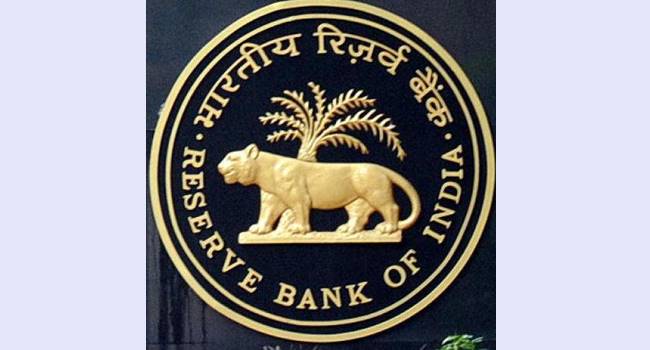
ಪ್ರಗತಿವಾಹಿನಿ ಸುದ್ದಿ, ಮುಂಬೈ : ಭಾರತೀಯ ರಿಸರ್ವ್ ಬ್ಯಾಂಕ್ (ಆರ್ಬಿಐ) ತನ್ನ ದ್ವೈಮಾಸಿಕ ಹಣಕಾಸು ನೀತಿ ಸಮಿತಿ (Monetary Policy Committee – MPC) ಸಭೆಯಲ್ಲಿ ಪ್ರಮುಖ ಬಡ್ಡಿದರವಾದ ರೆಪೋ ದರವನ್ನು ಶೇ. 5.25ರಲ್ಲೇ ಯಥಾಸ್ಥಿತಿಯಲ್ಲಿ ಕಾಯ್ದುಕೊಳ್ಳಲು ನಿರ್ಧರಿಸಿದೆ. ಜಾಗತಿಕ ಆರ್ಥಿಕ ಅನಿಶ್ಚಿತತೆ, ಭೌಗೋಳಿಕ ಉದ್ವಿಗ್ನತೆ ಹಾಗೂ ಹಣದುಬ್ಬರದ ಒತ್ತಡಗಳನ್ನು ಗಮನದಲ್ಲಿಟ್ಟುಕೊಂಡು, ಆರ್ಬಿಐ ತನ್ನ ‘ತಟಸ್ಥ’ (Neutral) ಹಣಕಾಸು ನೀತಿ ನಿಲುವನ್ನು ಮುಂದುವರಿಸಿದೆ.
ಆಗಸ್ಟ್ 3ರಿಂದ ಆರಂಭವಾದ ಮೂರು ದಿನಗಳ ಎಂಪಿಸಿ ಸಭೆ ಬುಧವಾರ ಮುಕ್ತಾಯಗೊಂಡಿದ್ದು, ಆರ್ಬಿಐ ಗವರ್ನರ್ ಸಂಜಯ್ ಮಲ್ಹೋತ್ರಾ ಸಭೆಯ ನಿರ್ಧಾರಗಳನ್ನು ಪ್ರಕಟಿಸಿದರು.

ಈ ನಿರ್ಧಾರದೊಂದಿಗೆ ಸ್ಟ್ಯಾಂಡಿಂಗ್ ಡೆಪಾಸಿಟ್ ಫೆಸಿಲಿಟಿ (SDF) ದರವನ್ನು ಶೇ. 5.00 ಹಾಗೂ ಮಾರ್ಜಿನಲ್ ಸ್ಟ್ಯಾಂಡಿಂಗ್ ಫೆಸಿಲಿಟಿ (MSF) ದರವನ್ನು ಶೇ. 5.50ರಲ್ಲಿಯೇ ಮುಂದುವರಿಸಲು ತೀರ್ಮಾನಿಸಲಾಗಿದೆ.
ಹಣದುಬ್ಬರ ಇನ್ನೂ ಕಳವಳ
ದೇಶದಲ್ಲಿ ಚಿಲ್ಲರೆ ಹಣದುಬ್ಬರ (Consumer Price Index – CPI) ಇನ್ನೂ ಆರ್ಬಿಐ ನಿಗದಿಪಡಿಸಿರುವ ಗುರಿಗಿಂತ ಹೆಚ್ಚಾಗುವ ಸಾಧ್ಯತೆ ಇರುವುದರಿಂದ ಎಚ್ಚರಿಕೆಯ ನಿಲುವು ಅಗತ್ಯವಾಗಿದೆ ಎಂದು ಗವರ್ನರ್ ತಿಳಿಸಿದರು.
2026-27ನೇ ಹಣಕಾಸು ವರ್ಷದಲ್ಲಿ ಒಟ್ಟಾರೆ ಚಿಲ್ಲರೆ ಹಣದುಬ್ಬರ ಶೇ. 5ರಷ್ಟು ಇರಬಹುದು ಎಂದು ಎಂಪಿಸಿ ಅಂದಾಜಿಸಿದೆ.
ತ್ರೈಮಾಸಿಕವಾರು ಹಣದುಬ್ಬರದ ಅಂದಾಜು ಹೀಗಿದೆ:
- ಮೊದಲ ತ್ರೈಮಾಸಿಕ : ಶೇ. 5.3
- ಎರಡನೇ ತ್ರೈಮಾಸಿಕ : ಶೇ. 4.7
- ಮೂರನೇ ತ್ರೈಮಾಸಿಕ : ಶೇ. 4.9
- ನಾಲ್ಕನೇ ತ್ರೈಮಾಸಿಕ : ಶೇ. 5.5
ಆಹಾರ ವಸ್ತುಗಳ ಬೆಲೆ, ಜಾಗತಿಕ ಕಚ್ಚಾತೈಲ ದರ, ಹವಾಮಾನ ವೈಪರೀತ್ಯ ಹಾಗೂ ಅಂತಾರಾಷ್ಟ್ರೀಯ ಮಾರುಕಟ್ಟೆಯ ಬೆಳವಣಿಗೆಗಳು ಹಣದುಬ್ಬರದ ಮೇಲೆ ಪರಿಣಾಮ ಬೀರುವ ಸಾಧ್ಯತೆ ಇದೆ ಎಂದು ಆರ್ಬಿಐ ಅಭಿಪ್ರಾಯಪಟ್ಟಿದೆ.
ರೆಪೋ ದರ ಎಂದರೇನು?
ರೆಪೋ ದರ ಎಂದರೆ, ವಾಣಿಜ್ಯ ಬ್ಯಾಂಕುಗಳು ಸರ್ಕಾರಿ ಭದ್ರತೆಗಳನ್ನು ಅಡಮಾನವಿಟ್ಟು ಆರ್ಬಿಐನಿಂದ ಹಣ ಪಡೆಯುವಾಗ ಪಾವತಿಸುವ ಬಡ್ಡಿದರ. ಇದು ಆರ್ಬಿಐಯ ಪ್ರಮುಖ ಹಣಕಾಸು ನೀತಿ ಸಾಧನವಾಗಿದೆ.
ರೆಪೋ ದರ ಕಡಿಮೆಯಾದರೆ ಬ್ಯಾಂಕುಗಳಿಗೆ ಹಣ ಪಡೆಯುವ ವೆಚ್ಚ ಕಡಿಮೆಯಾಗುತ್ತದೆ. ಇದರ ಪರಿಣಾಮವಾಗಿ ಗೃಹ ಸಾಲ, ವಾಹನ ಸಾಲ ಹಾಗೂ ವೈಯಕ್ತಿಕ ಸಾಲಗಳ ಮೇಲಿನ ಬಡ್ಡಿದರಗಳು ಇಳಿಯುವ ಸಾಧ್ಯತೆ ಇರುತ್ತದೆ. ರೆಪೋ ದರ ಹೆಚ್ಚಾದರೆ ಸಾಲಗಳ ಮೇಲಿನ ಬಡ್ಡಿದರವೂ ಹೆಚ್ಚಾಗುವ ಸಾಧ್ಯತೆ ಇರುತ್ತದೆ.
ರಿವರ್ಸ್ ರೆಪೋ ದರ ಎಂದರೇನು?
ರೆಪೋ ದರಕ್ಕೆ ವಿರುದ್ಧವಾದ ವ್ಯವಸ್ಥೆಯೇ ರಿವರ್ಸ್ ರೆಪೋ ದರ. ಬ್ಯಾಂಕುಗಳ ಬಳಿ ಹೆಚ್ಚುವರಿ ಹಣ ಇದ್ದಾಗ ಅದನ್ನು ಆರ್ಬಿಐನಲ್ಲಿ ಠೇವಣಿ ಇಟ್ಟರೆ, ಆ ಹಣಕ್ಕೆ ಆರ್ಬಿಐ ನೀಡುವ ಬಡ್ಡಿದರವೇ ರಿವರ್ಸ್ ರೆಪೋ ದರ.
ಈ ದರ ಹೆಚ್ಚಿದ್ದರೆ ಬ್ಯಾಂಕುಗಳು ಸಾರ್ವಜನಿಕರಿಗೆ ಸಾಲ ನೀಡುವುದಕ್ಕಿಂತ ಆರ್ಬಿಐನಲ್ಲಿ ಹಣ ಇರಿಸಲು ಆಸಕ್ತಿ ತೋರುತ್ತವೆ. ಇದರಿಂದ ಮಾರುಕಟ್ಟೆಯಲ್ಲಿರುವ ಹೆಚ್ಚುವರಿ ಹಣವನ್ನು ನಿಯಂತ್ರಿಸಿ ಹಣದುಬ್ಬರವನ್ನು ತಗ್ಗಿಸಲು ನೆರವಾಗುತ್ತದೆ.
ಸಿಆರ್ಆರ್ (CRR) ಎಂದರೇನು?
ಕ್ಯಾಶ್ ರಿಸರ್ವ್ ರೇಷಿಯೋ (Cash Reserve Ratio – CRR) ಎಂದರೆ ಬ್ಯಾಂಕುಗಳು ತಮ್ಮ ಒಟ್ಟು ಠೇವಣಿಯ ನಿಗದಿತ ಪ್ರಮಾಣವನ್ನು ಕಡ್ಡಾಯವಾಗಿ ನಗದು ರೂಪದಲ್ಲಿ ಆರ್ಬಿಐ ಬಳಿ ಇರಿಸಬೇಕಾದ ಪ್ರಮಾಣ.
ಈ ಹಣವನ್ನು ಬ್ಯಾಂಕುಗಳು ಸಾಲವಾಗಿ ನೀಡಲು ಅಥವಾ ಹೂಡಿಕೆ ಮಾಡಲು ಸಾಧ್ಯವಿಲ್ಲ. ಸಿಆರ್ಆರ್ ಹೆಚ್ಚಾದರೆ ಬ್ಯಾಂಕುಗಳ ಬಳಿ ಸಾಲ ನೀಡಲು ಲಭ್ಯವಿರುವ ಹಣ ಕಡಿಮೆಯಾಗುತ್ತದೆ. ಸಿಆರ್ಆರ್ ಕಡಿಮೆಯಾದರೆ ಹೆಚ್ಚು ಸಾಲ ನೀಡಲು ಅವಕಾಶ ಸಿಗುತ್ತದೆ.
ಎಸ್ಎಲ್ಆರ್ (SLR) ಎಂದರೇನು?
ಸ್ಟ್ಯಾಟ್ಯುಟರಿ ಲಿಕ್ವಿಡಿಟಿ ರೇಷಿಯೋ (Statutory Liquidity Ratio – SLR) ಎಂದರೆ ಬ್ಯಾಂಕುಗಳು ತಮ್ಮ ಠೇವಣಿಯ ನಿರ್ದಿಷ್ಟ ಭಾಗವನ್ನು ನಗದು, ಚಿನ್ನ ಅಥವಾ ಸರ್ಕಾರದ ಮಾನ್ಯತೆ ಪಡೆದ ಭದ್ರತೆಗಳ ರೂಪದಲ್ಲಿ ಕಡ್ಡಾಯವಾಗಿ ಕಾಯ್ದಿರಿಸಬೇಕಾದ ಪ್ರಮಾಣ.
ಸಿಆರ್ಆರ್ನಂತೆ ಈ ಹಣವನ್ನು ಆರ್ಬಿಐ ಬಳಿ ಇಡಬೇಕಾಗಿಲ್ಲ. ಬ್ಯಾಂಕುಗಳೇ ತಮ್ಮ ಬಳಿ ಈ ಆಸ್ತಿಗಳನ್ನು ಹೊಂದಿರುತ್ತವೆ. ಎಸ್ಎಲ್ಆರ್ ಹೆಚ್ಚಾದರೆ ಸಾಲ ನೀಡಲು ಲಭ್ಯವಿರುವ ಹಣ ಕಡಿಮೆಯಾಗುತ್ತದೆ. ಎಸ್ಎಲ್ಆರ್ ಕಡಿಮೆಯಾದರೆ ಬ್ಯಾಂಕುಗಳಿಗೆ ಹೆಚ್ಚಿನ ಪ್ರಮಾಣದಲ್ಲಿ ಸಾಲ ವಿತರಿಸಲು ಅವಕಾಶ ಸಿಗುತ್ತದೆ.
ಸಾಮಾನ್ಯ ಗ್ರಾಹಕರ ಮೇಲೆ ಪರಿಣಾಮವೇನು?
ರೆಪೋ ದರದಲ್ಲಿ ಯಾವುದೇ ಬದಲಾವಣೆ ಮಾಡದಿರುವುದರಿಂದ ಗೃಹ ಸಾಲ, ವಾಹನ ಸಾಲ, ವೈಯಕ್ತಿಕ ಸಾಲ ಸೇರಿದಂತೆ ರೆಪೋ ದರಕ್ಕೆ ಸಂಬಂಧಿಸಿದ ಸಾಲಗಳ ಮೇಲಿನ ಬಡ್ಡಿದರಗಳಲ್ಲಿ ತಕ್ಷಣದ ಬದಲಾವಣೆ ಆಗುವ ಸಾಧ್ಯತೆ ಕಡಿಮೆ. ಈಗಿರುವ ಇಎಂಐಗಳು (EMI) ಬಹುತೇಕ ಯಥಾಸ್ಥಿತಿಯಲ್ಲೇ ಮುಂದುವರಿಯಲಿವೆ.
ಆದರೆ ಮುಂದಿನ ದಿನಗಳಲ್ಲಿ ಹಣದುಬ್ಬರ ಮತ್ತು ಜಾಗತಿಕ ಆರ್ಥಿಕ ಪರಿಸ್ಥಿತಿಯನ್ನು ಆಧರಿಸಿ ಆರ್ಬಿಐ ತನ್ನ ಹಣಕಾಸು ನೀತಿಯಲ್ಲಿ ಅಗತ್ಯ ಬದಲಾವಣೆಗಳನ್ನು ಮಾಡುವ ಸಾಧ್ಯತೆ ಇದೆ ಎಂದು ಆರ್ಥಿಕ ತಜ್ಞರು ಅಭಿಪ್ರಾಯಪಟ್ಟಿದ್ದಾರೆ.
RBI Keeps Repo Rate Unchanged at 5.25%; Maintains Neutral Policy Stance Amid Inflation Concerns
Mumbai : The Reserve Bank of India (RBI) on Wednesday kept the repo rate unchanged at 5.25 per cent in its bi-monthly Monetary Policy Committee (MPC) meeting, signalling continuity in its monetary policy amid persistent inflationary pressures and global economic uncertainties.
The three-day MPC meeting, which began on August 3, concluded with RBI Governor Sanjay Malhotra announcing that the central bank would continue with its neutral policy stance, balancing the need to support economic growth while keeping inflation under control.
The RBI also decided to maintain the Standing Deposit Facility (SDF) rate at 5.00 per cent and the Marginal Standing Facility (MSF) rate at 5.50 per cent.
Inflation Remains a Key Concern
The central bank noted that retail inflation, measured by the Consumer Price Index (CPI), is likely to remain above the desired target for some time. While inflation has moderated in recent months, uncertainties arising from food prices, volatile crude oil markets, geopolitical tensions and adverse weather conditions continue to pose risks.
The MPC has projected overall retail inflation at 5.0 per cent for the financial year 2026-27.
The quarterly inflation projections are:
Q1: 5.3%
Q2: 4.7%
Q3: 4.9%
Q4: 5.5%
The RBI said it would continue to closely monitor domestic and global developments and take appropriate measures whenever necessary.
What is the Repo Rate?
The repo rate is the interest rate at which the RBI lends money to commercial banks against government securities. It is the central bank’s primary monetary policy tool.
When the RBI reduces the repo rate, banks can borrow funds at a lower cost. This often leads to lower lending rates for customers, making home loans, vehicle loans and personal loans cheaper. Conversely, an increase in the repo rate generally results in higher borrowing costs and increased loan EMIs.
What is the Reverse Repo Rate?
The reverse repo rate is the interest rate the RBI pays commercial banks when they park their surplus funds with the central bank.
A higher reverse repo rate encourages banks to deposit excess funds with the RBI rather than lend them, helping absorb excess liquidity from the financial system and contain inflationary pressures.
In simple terms, the repo rate is the rate at which banks borrow from the RBI, while the reverse repo rate is the rate at which banks lend money to the RBI.
What is the Cash Reserve Ratio (CRR)?
The Cash Reserve Ratio (CRR) is the percentage of a bank’s total deposits that must be maintained as cash with the RBI.
Banks cannot use these funds for lending or investment. An increase in the CRR reduces the amount of money available for lending, while a reduction in the CRR increases liquidity, enabling banks to extend more credit to businesses and consumers.
What is the Statutory Liquidity Ratio (SLR)?
The Statutory Liquidity Ratio (SLR) is the percentage of deposits that banks must maintain in the form of liquid assets such as cash, gold or approved government securities.
Unlike the CRR, these assets remain with the banks themselves. A higher SLR limits banks’ lending capacity, whereas a lower SLR provides greater flexibility to extend loans and support economic activity.
Impact on Borrowers and Depositors
Since the repo rate has been left unchanged, there is unlikely to be any immediate change in interest rates on repo-linked home loans, auto loans and personal loans. Consequently, borrowers can expect their EMIs to remain largely unchanged for now.
However, economists believe that the RBI will continue to closely monitor inflation trends, global economic developments and domestic growth before deciding on any future changes in interest rates.
The latest policy decision reflects the RBI’s cautious approach to maintaining price stability while ensuring that economic growth remains on a sustainable path.
ಪ್ರಗತಿವಾಹಿನಿ ಸುದ್ದಿಗಳನ್ನು ನಿಮ್ಮ ಸ್ನೇಹಿತರಿಗೆ, ಬೇರೆ ಗ್ರುಪ್ ಗಳಿಗೆ ಶೇರ್ ಮಾಡಿ